

How to Manage a Remote Team: Best Practices for 2026
Managing a remote team is not fundamentally different from managing an in-office team. The same principles apply: clear expectations, regular communication, meaningful feedback, accountability, and trust. What changes is the mechanism — how you deliver those things when you cannot walk over to someone's desk, read their body language in a meeting, or have a spontaneous conversation at the coffee machine.
Whether you have one dedicated remote developer or a distributed team of ten spanning multiple time zones, these practices will help you manage effectively, build genuine trust, and get consistently strong results from your remote professionals.
Set the Foundation Before Day One
Define Roles and Expectations in Writing
The number one cause of remote team dysfunction is ambiguity. In an office, ambiguity gets resolved naturally through proximity — quick questions, overheard conversations, watching how others work. Remote teams do not have this luxury. Before your remote team member starts, create a written document that covers:
- Role responsibilities: What exactly will they own? What are they not responsible for? Where does their ownership end and someone else's begin?
- Working hours and overlap: Specify required overlap hours for synchronous communication. For example: "Available 10 AM to 1 PM Eastern daily for meetings, code reviews, and real-time collaboration. Remaining hours are flexible."
- Communication norms: Which tool for what purpose? Slack for quick questions and daily updates. Email for formal requests and external communication. Zoom for weekly syncs and one-on-ones. Jira or Linear for task tracking and sprint management.
- Response time expectations: "Respond to Slack messages within 2 hours during working hours. Acknowledge Jira ticket assignments within 4 hours. Urgent messages marked with @here or direct mention — respond within 30 minutes."
- Definition of done: What does a completed task look like? Code reviewed and approved? Tests passing in CI? Deployed to staging? Documentation updated? Be specific — ambiguity here causes rework and frustration.
Prepare Your Toolstack Before Their First Day
Before your remote hire's first day, ensure they have access to everything they need. Nothing kills a new team member's first-week momentum like waiting three days for GitHub access or discovering they cannot reach the staging server.
- Communication: Slack or Microsoft Teams (with invitations to all relevant channels, including social and announcement channels)
- Project management: Jira, Linear, Asana, or Trello (with their account created and relevant boards shared)
- Code repository: GitHub, GitLab, or Bitbucket (with appropriate read/write permissions configured)
- Documentation: Notion, Confluence, or Google Docs (with access to engineering docs, product specs, and onboarding materials)
- Video calls: Zoom or Google Meet (with calendar invitations for recurring meetings already sent)
- Design: Figma access if applicable (viewer or editor permissions as needed)
- Development infrastructure: VPN access, staging server credentials, database access, API keys for development environments
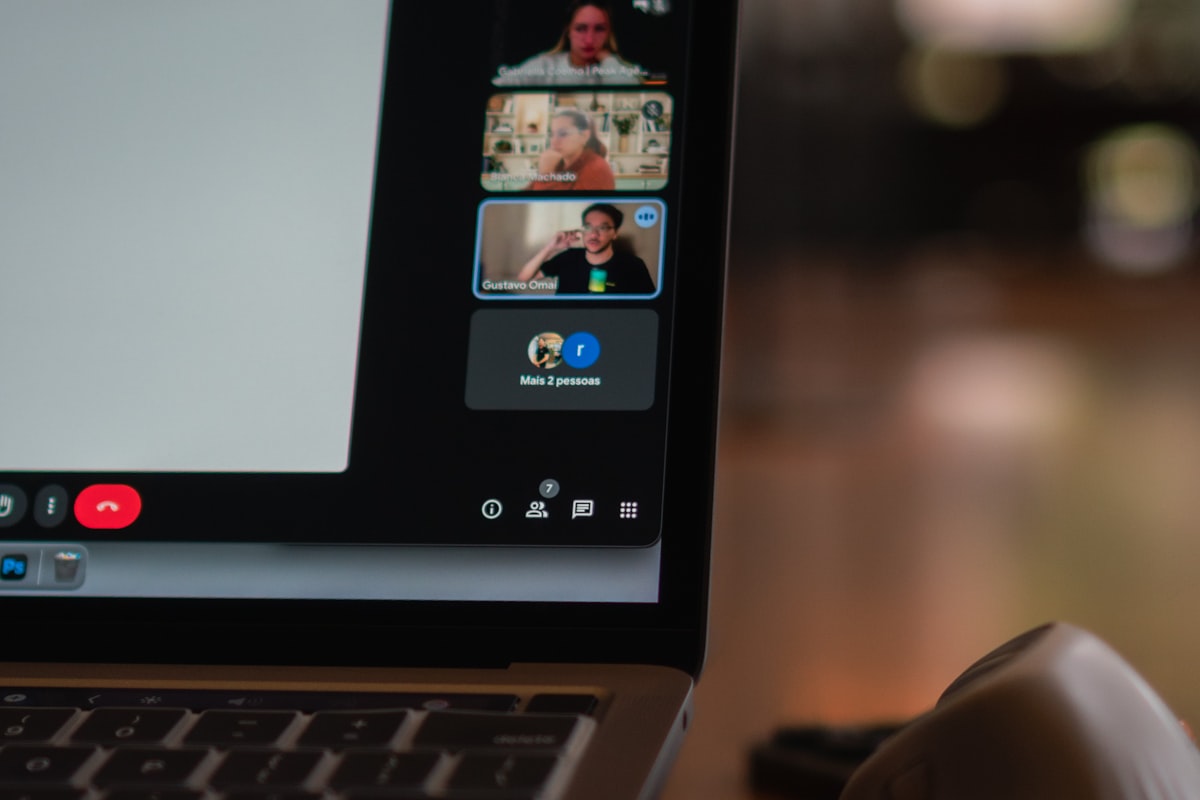
Communication: The Make-or-Break Factor
Daily Stand-ups (15 Minutes Maximum)
A brief daily check-in keeps everyone aligned and surfaces blockers early — before they become missed deadlines. Each person answers three questions:
- What did I accomplish yesterday?
- What am I working on today?
- Is anything blocking my progress?
For teams with significant time zone differences, asynchronous stand-ups work equally well. Each person posts their update in a dedicated Slack channel (e.g., #daily-standup) at the start of their workday. You review the updates when your day begins. This preserves the alignment benefit without requiring everyone to be awake at the same time.
Keep stand-ups focused on blockers and priorities, not detailed status reports. If a topic needs discussion, take it to a separate conversation rather than holding the entire team hostage.
Weekly One-on-Ones (30 Minutes)
Schedule a weekly one-on-one video call with each remote team member. This is the single most important meeting you will have — do not skip or reschedule it casually. This is not a status update — it is a relationship-building conversation and a safe space for candid feedback. Cover:
- How they are feeling about their work and workload
- Any concerns, frustrations, or confusion that they have not raised publicly
- Career development and professional growth goals
- Feedback — both giving constructive feedback and explicitly asking for feedback on your management
- Team dynamics — how they feel about their integration and relationships with other team members
Remote professionals who feel personally connected to their manager are dramatically more engaged, productive, and likely to stay long-term. This 30-minute weekly investment has an outsized return on retention and performance.
Over-Communicate, Then Communicate More
In an office, information spreads through proximity — overheard conversations, whiteboard discussions, casual lunch chats, body language cues. Remote teams do not have any of this ambient information flow. Important context must be deliberately, explicitly shared.
When in doubt, share it. A quick Slack message — "FYI, client pushed the deadline to March 15, so we can take an extra sprint on the checkout feature" — takes 10 seconds to type and prevents hours of misdirected effort. Document decisions in writing, share meeting notes for every discussion, and create a culture where information sharing is the default, not the exception.
Task Management: Structure Without Micromanagement
Use a Single Source of Truth
Every task, bug, feature request, and technical debt item should live in one place — your project management tool. Do not assign work via Slack messages, emails, verbal conversations, or sticky notes. Those get lost, forgotten, and cannot be tracked. If it is not in Jira (or Linear, or Asana), it does not exist as a work commitment.
Write Clear, Complete Task Descriptions
A well-written task description is the foundation of productive remote work. Include:
- What: Clear description of the expected outcome — what should exist or change when this task is done?
- Why: Business context — why does this matter? What user problem does it solve? This context helps the developer make good micro-decisions.
- Acceptance criteria: Specific, testable conditions for "done" — not vague goals but concrete, verifiable outcomes.
- Resources: Links to designs (Figma), API documentation, related tickets, and any prior discussion or decision context.
- Priority and deadline: When is it needed, and how important is it relative to other work in the sprint?
- Technical notes: Any constraints, dependencies, or architectural guidance that would save the developer research time.
Focus on Outcomes, Not Hours
Resist the temptation to monitor mouse movements, require screenshots every 10 minutes, or install time-tracking software that captures keystrokes. These surveillance approaches destroy trust, attract only employees who game metrics, and repel the self-motivated professionals who deliver real value.
Instead, measure output: tasks completed on time, code merged and approved, bugs resolved, features shipped, sprint velocity maintained. If the work is getting done at high quality and on schedule, it does not matter whether your remote developer took a two-hour lunch break or worked from a different room today.
Ready to build your team?
Pre-vetted resumes in 48 hours. Free interviews, no obligation.
Hire Talent Now →
Building Trust Across Distance
Include Remote Team Members in Everything
The fastest way to make a remote professional feel like a second-class team member — and to get second-class work as a result — is to exclude them from team activities. Include them in:
- All-hands meetings and company-wide announcements
- Team Slack channels — not just project-specific ones, but also casual and social channels
- Brainstorming sessions, architecture discussions, and technical decision-making
- Social events — virtual team lunches, game sessions, holiday celebrations, milestone acknowledgments
- Learning opportunities — conference attendance, course budgets, tech talk invitations
Give Credit Publicly and Specifically
When your remote developer ships an important feature, solves a particularly tough bug, or produces excellent work, recognize it publicly — in the team Slack channel, in the sprint review meeting, in the company all-hands. Be specific about what they did well. "Great work on the payment integration — the error handling is especially thorough" is far more meaningful than a generic "nice job."
Public recognition matters even more for remote professionals who do not get the casual, in-person "nice work" that happens naturally in office hallways and after meetings.
Meet the Person, Not Just the Worker
Spend a few minutes of your weekly one-on-ones asking about life outside of work. Learn about their interests, family, weekend activities, and personal goals. This is not about being intrusive — it is about building a genuine human connection that makes collaboration smoother, feedback more accepted, and the working relationship more resilient during stressful periods.
Performance Management for Remote Teams
Set Clear, Measurable KPIs
Define measurable performance indicators for each role. For a software developer, this might include:
- Sprint velocity — story points or tasks completed per sprint, trending over time
- Code review turnaround time — how quickly they review peers' pull requests
- Bug escape rate — bugs found in production versus caught during review and testing
- Documentation coverage — are new features and changes properly documented?
- On-time delivery — percentage of committed sprint work completed by sprint end
Review these metrics quarterly in a structured performance conversation, not just informally or at year-end when it is too late to course-correct.
Address Issues Early and Directly
If performance drops or you notice concerning patterns, address it immediately — do not wait for a quarterly review. Schedule a one-on-one, describe the specific behavior you have observed ("Your last three pull requests were submitted two to three days after the sprint deadline"), ask what is happening from their perspective, and work together on a concrete plan to improve.
Most performance issues stem from unclear expectations, personal circumstances, inadequate tools or access, or mismatched skill sets — not laziness or disinterest. A candid, empathetic conversation usually resolves the problem. The worst thing you can do is let frustration build silently for months.
Provide Growth Opportunities
Dedicated remote professionals are not temporary contractors — they are long-term team members who want to grow professionally. Offer learning opportunities (course budgets, conference tickets), assign stretch projects that challenge them, discuss career paths, and provide the kind of mentorship you would give any valued employee. A remote developer who feels stagnant and undervalued will eventually leave for a role that offers growth — and replacing a productive, domain-knowledgeable team member is far more expensive than investing in their development.
Common Mistakes to Avoid
- Treating remote team members as external vendors. If you hired a dedicated remote professional, they are part of your team. Treat them accordingly in communication, inclusion, and respect.
- Scheduling all meetings during your time zone's business hours only. Share the inconvenience. If your remote team member regularly adjusts their schedule for overlap, respect their time outside those overlap hours.
- Assuming silence means everything is fine. Some professionals — especially those from cultures that emphasize respect for authority — are reluctant to raise concerns without being asked directly. Check in regularly and explicitly invite honest feedback.
- Skipping or rushing onboarding. Remote hires need more onboarding structure, not less. Spend the first two weeks on knowledge transfer, codebase walkthroughs, tool setup, and introductions to every team member they will interact with.
- Using too many communication tools. Every additional tool adds cognitive overhead and creates another place where messages get lost. Consolidate where possible — you do not need Slack, Teams, Discord, and email running simultaneously for internal communication.
Tools That Consistently Deliver Value
After years of managing remote teams, here are the tools that consistently prove their worth:
- Slack — asynchronous communication organized by topic channels
- Linear or Jira — task tracking, sprint management, and project visibility
- GitHub — code hosting, pull request reviews, CI/CD pipelines, and documentation
- Notion — team documentation, knowledge bases, and meeting notes
- Loom — asynchronous video walkthroughs (invaluable for explaining complex features, giving nuanced code review feedback, or onboarding new team members)
- Zoom or Google Meet — synchronous meetings, one-on-ones, and pair programming sessions
- Tuple or Screen.so — dedicated remote pair programming with low latency and drawing tools
Getting Started with a Remote Team
If you are new to managing remote professionals, the best approach is to start small and learn deliberately. Hire one dedicated remote team member, invest heavily in their onboarding and your communication processes, and refine your approach before scaling to additional hires.
GlobalEmployees provides dedicated remote professionals who work full-time for your company, with all HR, payroll, benefits, and infrastructure handled by the staffing partner. You focus entirely on managing the work and building the relationship. Learn more about how the process works, or read our detailed guide on managing a dedicated remote employee for specific advice on the first 90 days.
Great remote management is not about surveillance technology or complex project management frameworks. It is about treating remote professionals as real team members, communicating with clarity and intention, and measuring what actually matters — results, not hours. Get those fundamentals right, and the distance between you and your team becomes completely irrelevant.
Need to hire dedicated remote talent?
Get pre-vetted resumes within 48 hours — free consultation, no obligation.
Hire Talent Now