

The Benefits of Graphic Design for Business Growth in 2026
Graphic design has evolved from a nice-to-have creative function into a core business driver. In 2026, every customer touchpoint — from your website and social media to product packaging and investor decks — is shaped by visual communication. Companies that invest in professional graphic design consistently outperform competitors in brand recognition, customer trust, and conversion rates.
Whether you are a startup building your first brand identity or an enterprise refreshing a decade-old visual system, understanding the tangible benefits of graphic design helps you allocate resources wisely and hire the right talent.
Why Graphic Design Matters More Than Ever
The volume of visual content consumed daily has exploded. The average person encounters between 6,000 and 10,000 branded messages per day across digital and physical channels. Standing out in that noise requires intentional, professional design — not hastily assembled Canva templates or AI-generated images used without refinement.
For businesses specifically, graphic design is the bridge between strategy and perception. Your marketing team may craft the perfect message, but if it is presented with amateur visuals, the message loses credibility before anyone reads a word. Conversely, strong design elevates even average messaging by commanding attention and conveying competence.
Let us break down the specific, measurable benefits that professional graphic design delivers to businesses in 2026.
1. First Impressions That Convert
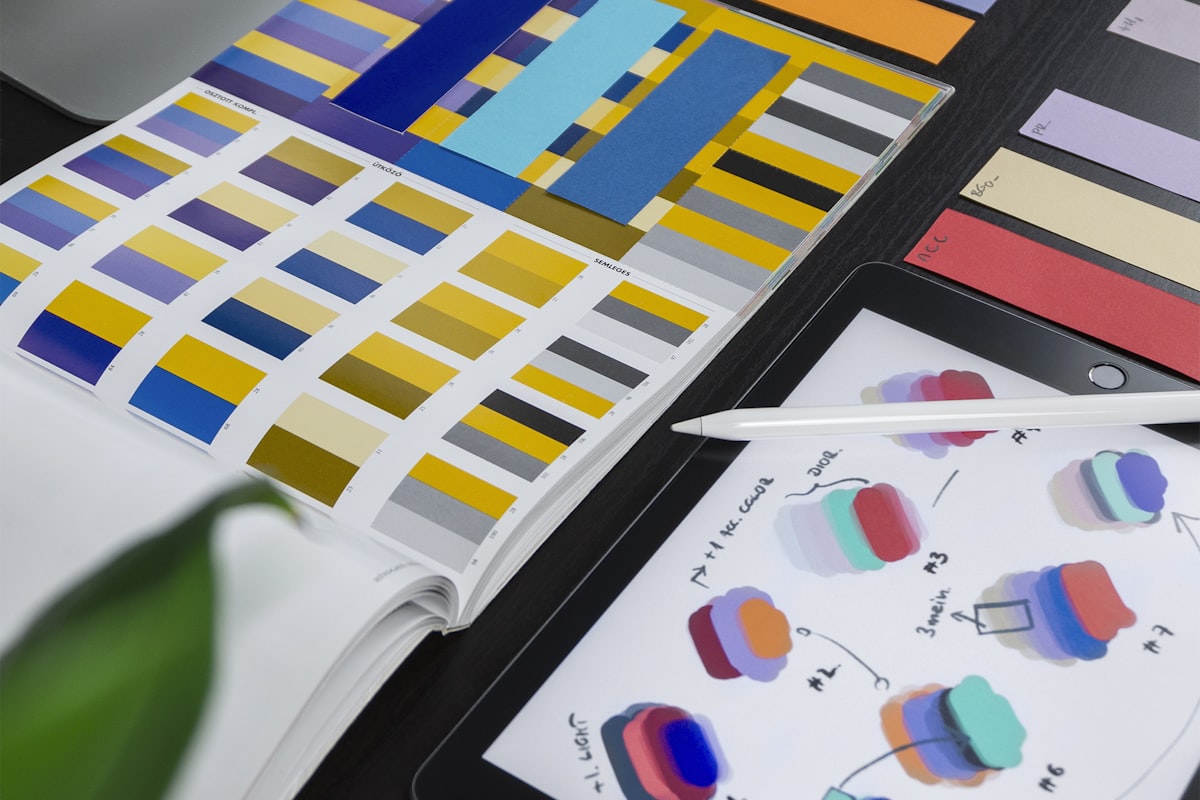
Research from Stanford's Web Credibility Project found that 75% of users judge a company's credibility based on visual design alone. In a market where attention spans continue to shrink, the first three seconds a visitor spends on your website or ad determine whether they stay or bounce.
Professional graphic design ensures your landing pages, social ads, and email campaigns look polished and intentional. A well-designed hero section with clear typography, balanced whitespace, and a strong call-to-action can lift conversion rates by 20-30% compared to a generic template.
2. Brand Consistency Builds Trust
Consistency across every visual asset — logo usage, color palette, typography, iconography — creates a cohesive brand experience. According to Lucidpress, consistent brand presentation increases revenue by up to 23%.
A dedicated graphic designer maintains your brand guidelines and applies them across dozens of channels: website graphics, social media posts, pitch decks, product UI elements, trade show banners, and internal documents. Without this consistency, your brand feels fragmented and unprofessional.
Brand Guidelines a Designer Maintains
- Logo variations: Primary, secondary, monochrome, favicon, and app icon versions
- Color system: Primary, secondary, and accent colors with hex, RGB, and CMYK values
- Typography: Heading, body, and caption font families with size scales
- Imagery style: Photography direction, illustration style, icon library
- Spacing and layout: Grid systems, margin rules, component spacing
Ready to build your team?
Pre-vetted resumes in 48 hours. Free interviews, no obligation.
Hire Talent Now →
3. Higher Engagement on Social Media
Posts with custom-designed visuals receive 2.3x more engagement than text-only posts on LinkedIn and 1.8x more on Instagram, according to Buffer's 2025 State of Social report. In 2026, platforms increasingly favor carousel posts, infographics, and short-form video thumbnails — all of which require strong graphic design skills.
A skilled designer creates scroll-stopping visuals that align with your brand while adapting to each platform's specifications. Instagram favors bold, colorful imagery. LinkedIn rewards clean, data-driven graphics. Pairing a designer with a dedicated social media manager creates a content production pipeline that drives consistent engagement. TikTok and YouTube need attention-grabbing thumbnails. Each channel has its own visual language, and a designer fluent in all of them saves your marketing team hours of trial and error.
4. Better Communication Through Visual Hierarchy
Graphic design is fundamentally about communication. A well-designed infographic can explain a complex process in seconds. A properly structured whitepaper with clear headings, callout boxes, and data visualizations keeps readers engaged far longer than a wall of text.
Visual hierarchy — the arrangement of elements to guide the viewer's eye — is a core design skill that directly impacts how effectively your message lands. Designers use size, color, contrast, and positioning to ensure the most important information gets seen first.
Where Visual Hierarchy Matters Most
- Landing pages: Directing visitors from headline to CTA
- Email campaigns: Ensuring the key offer is visible above the fold
- Reports and proposals: Making data digestible for decision-makers
- Product packaging: Highlighting the product name and key benefits on shelf
5. Competitive Differentiation
In crowded markets, design is often the primary differentiator. Think of how Apple, Airbnb, and Stripe use design excellence to stand apart from competitors offering similar functionality. Your visual identity is what makes customers remember you over the dozens of alternatives they encounter.
A dedicated designer studies your competitive landscape and creates visuals that are distinct without being jarring. This includes unique illustration styles, custom icon sets, and branded templates that your team can reuse across campaigns.
6. Faster Content Production
Marketing teams in 2026 need to produce content at an unprecedented pace. Between blog graphics, social posts, ad creatives, email headers, and presentation decks, a mid-size company might need 50-100 new visual assets per month.
Having a dedicated graphic designer — rather than relying on marketers using Canva — dramatically increases both speed and quality. A professional designer works faster because they have mastered the tools (Adobe Creative Suite, Figma, Affinity), understand production workflows, and can batch-produce assets with consistent quality.
Tools Professional Designers Use in 2026
- Figma: Collaborative UI/UX design and prototyping
- Adobe Illustrator: Vector graphics and logo design
- Adobe Photoshop: Photo editing and composite imagery
- After Effects / Rive: Motion graphics and micro-animations
- Midjourney / Adobe Firefly: AI-assisted concept generation (with manual refinement)
- Canva (Pro): Quick social media assets and team templates
7. Improved UX and Product Design
Graphic design intersects heavily with user experience design. Visual designers contribute to product teams by creating intuitive interfaces, designing component libraries, and ensuring accessibility standards are met (color contrast, readable font sizes, touch target sizing).
In SaaS and e-commerce, the quality of your product's visual design directly correlates with user retention. A clean, well-designed dashboard keeps users engaged. A cluttered, inconsistent interface drives them to competitors.
8. Higher Perceived Value
Products and services presented with professional design command higher prices. This applies across industries: a SaaS product with a polished UI can charge premium pricing, a consulting firm with a well-designed proposal wins more contracts, and an e-commerce brand with professional product photography sells more units at higher margins.
Design is an investment with measurable ROI. Companies that treat graphic design as a cost center rather than a revenue driver consistently underperform those that invest in it strategically.
9. AI-Augmented Design in 2026
The rise of AI tools like Midjourney, DALL-E 3, and Adobe Firefly has changed graphic design workflows, but it has not replaced designers. Instead, skilled designers use AI as an accelerator — generating initial concepts, exploring variations, and automating repetitive tasks like background removal or image resizing.
The designers who thrive in 2026 are those who combine traditional design fundamentals (composition, color theory, typography) with AI fluency. They use AI to produce more work at higher quality, not as a substitute for creative thinking.
What AI Cannot Replace
- Brand strategy and positioning decisions
- Contextual judgment about audience and culture
- Quality control and refinement of AI-generated outputs
- Cross-channel consistency management
- Client communication and iterative feedback loops
10. Cost-Effective Talent Through Remote Hiring
One of the biggest shifts in graphic design hiring is the move toward dedicated remote professionals. Rather than paying $5,000-$8,000 per month for a local designer in the US, companies are hiring equally skilled designers in India for a fraction of the cost — without sacrificing quality.
GlobalEmployees provides dedicated remote graphic designers starting from $590 per month, all-inclusive. These are full-time professionals who work exclusively for your company, follow your brand guidelines, and integrate with your team's workflow. With 12+ years in remote staffing and 950+ placements, GlobalEmployees handles recruitment, payroll, HR, and infrastructure so you can focus on directing the creative work.
Design as a Revenue Multiplier: Real Numbers
Quantifying design ROI is increasingly possible in 2026. Here are the areas where professional design delivers measurable returns:
- Email click-through rates: Professionally designed email templates consistently achieve 15-25% higher CTR than plain-text or template-based emails
- Ad performance: Custom-designed ad creatives reduce cost-per-click by 20-40% compared to stock-image ads, according to performance marketing benchmarks from WordStream and AdEspresso
- Website conversion: A/B tests consistently show that professionally designed landing pages convert 30-50% better than template-based alternatives
- Brand recall: Companies with consistent visual branding are 3.5x more likely to achieve brand recall among their target audience
- Sales cycle: Well-designed sales collateral (pitch decks, proposals, one-pagers) shortens B2B sales cycles by helping prospects understand and trust your offering faster
These are not abstract benefits. They translate directly into more leads, lower customer acquisition costs, and higher revenue per customer.
Building a Design System, Not Just Individual Assets
The most forward-thinking companies in 2026 are not just hiring designers to create individual assets. They are building design systems — comprehensive libraries of reusable components, templates, and guidelines that ensure consistency at scale.
A design system typically includes:
- Component library: Buttons, cards, forms, navigation patterns, and other UI elements
- Template library: Pre-designed templates for common assets (social posts, blog headers, email layouts, slide decks)
- Brand guidelines document: Comprehensive rules for logo usage, color application, typography, imagery, and tone
- Asset management: Organized file structures with named versions and usage guidelines
A dedicated graphic designer builds and maintains this system, enabling your entire team to produce on-brand content without bottlenecking through the designer for every small request. The designer focuses on high-impact creative work while the system handles routine asset production.
How to Hire the Right Graphic Designer
When evaluating graphic design candidates, look beyond portfolio aesthetics. The best hires demonstrate:
- Versatility: Can they work across web, print, social, and product design?
- Brand thinking: Do they understand brand systems, not just individual assets?
- Tool proficiency: Are they fluent in Figma, Adobe Creative Suite, and at least one AI design tool?
- Communication skills: Can they present and defend design decisions?
- Production speed: Can they deliver multiple assets per day without quality drops?
If you need a dedicated graphic designer who can hit the ground running, explore graphic design talent through GlobalEmployees — resumes delivered in 48 hours, free interviews, and a 100% money-back guarantee.
Industries Where Graphic Design Has the Highest Impact
While every business benefits from professional design, certain industries see outsized returns:
- E-commerce: Product photography, packaging design, and marketplace listings directly drive purchase decisions. Professional product images increase conversion rates by 30-40% on platforms like Amazon and Shopify.
- SaaS: UI design, feature marketing graphics, and onboarding visuals affect both acquisition and retention. A well-designed product interface reduces churn and increases user satisfaction scores.
- Real estate: Property marketing materials, virtual tour graphics, and branded listing presentations differentiate agencies in competitive markets.
- Food and beverage: Menu design, packaging, and social media food photography are primary drivers of customer interest and foot traffic.
- Professional services: Consulting firms, law practices, and financial advisors rely on polished proposals, reports, and presentations to win and retain clients.
- Healthcare: Patient education materials, clinic branding, and digital health product interfaces require design that communicates trust, clarity, and professionalism.
Final Thoughts
Graphic design is not decoration. It is a business function that drives trust, engagement, conversion, and revenue. In 2026, the companies that win are those that treat design as a strategic investment and hire talented designers who can execute across every channel.
Whether you are building a brand from scratch or scaling your content production, a dedicated graphic designer is one of the highest-ROI hires you can make. The question is not whether you need one — it is how quickly you can get one on your team.
Need to hire dedicated remote talent?
Get pre-vetted resumes within 48 hours — free consultation, no obligation.
Hire Talent Now